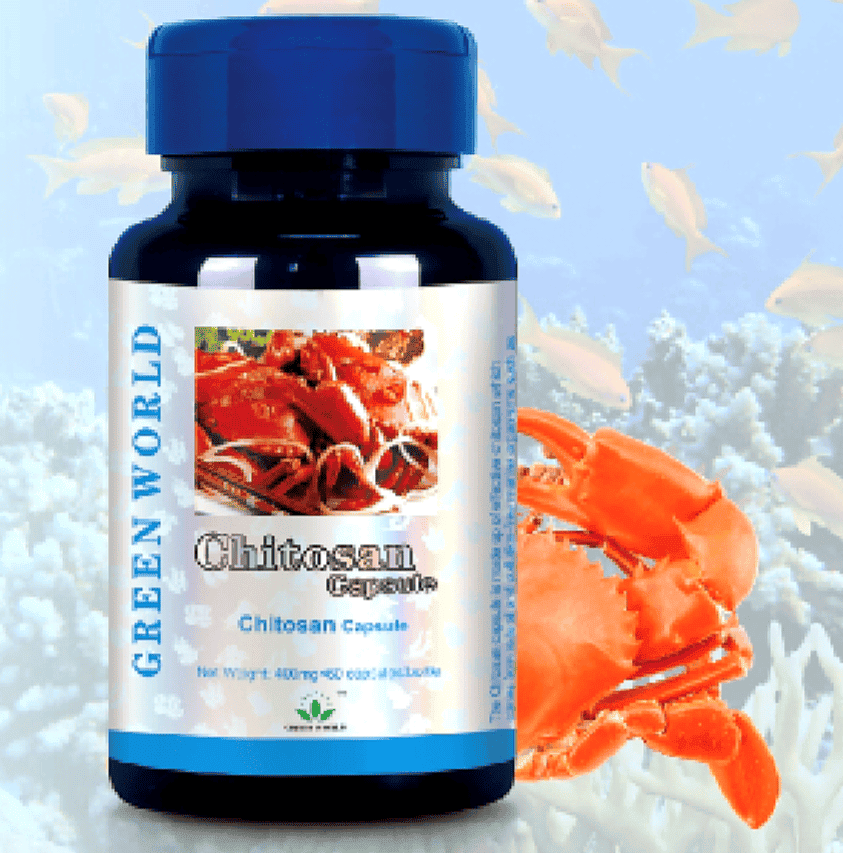
Chitosan has a positive charge that attracts negatively charged fat molecules in the digestive tract. This forms a complex that is too large to be absorbed by the body, causing the fat to be excreted instead of stored.
By binding to fats, chitosan helps reduce the amount of calories absorbed from fat-rich meals.
Chitosan may help lower LDL ('bad cholesterol") and triglycerides by interfering with their absorption in the gut. Improved lipid profiles reduce the risk of cardiovascular complications often associated with obesity.
As a dietary fiber, chitosan can expand in the stomach, creating a feeling of fullness. This may help reduce overeating and support portion control.
Chitosan can slow down carbohydrate digestion and absorption, leading to more stable blood sugar levels. This helps prevent insulin spikes, which are associated with fat storage and obesity.
 Contact Us on WhatsApp