Clinically, medicines functioning as a synthetic form of thyroxine (T4), a hormone produced by the thyroid gland is prescribed to those with underactive thyroid gland. Spirulina alleviates the signs and symptoms of hypothyroidism through its antioxidant, anti-inflammatory and immunoregulatory properties. The vitamins and minerals in spirulina may interfere with the absorption of such medicine. You should separate the administration of anti-hypothyroidism medicine and Spirulina by at least 4 hours.
People with hyperthyroidism is generally prescribed antithyroid medicines that inhibits the enzyme thyroid peroxidase. With its detoxifying and anti-inflammatory properties, spirulina help manage the condition involves reducing excess hormone production and supporting overall health.
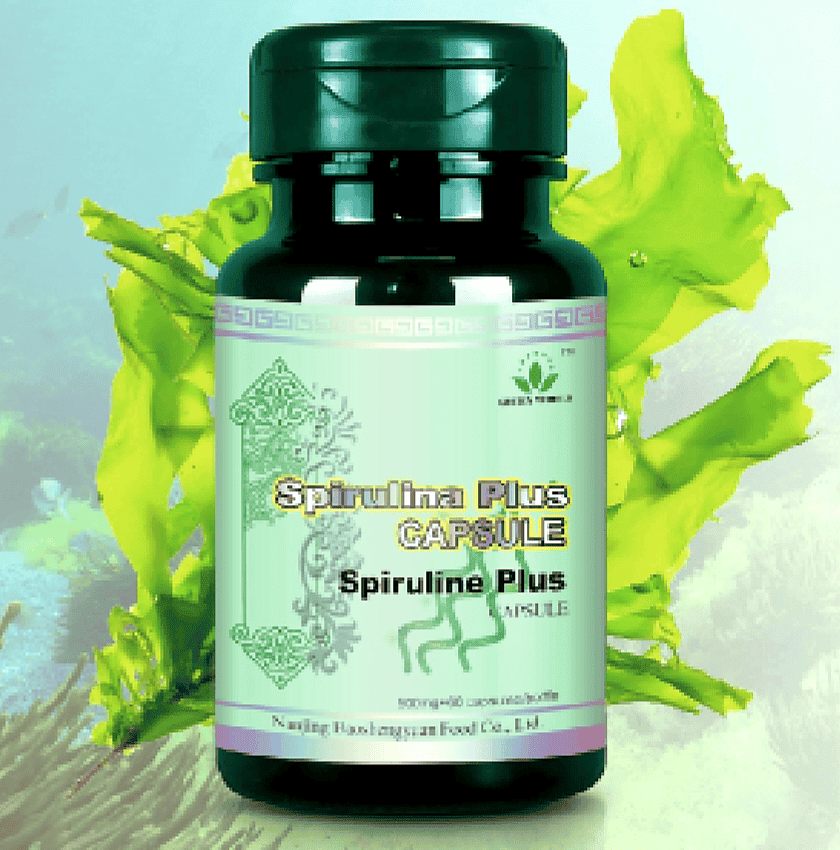
100g of Spirulina from Chenghai Lake contains 3,830 µg of iodine, with each capsule providing approximately 15 µg. The recommended daily iodine intake for adults is 150 µg, while the upper limit is 1,000 µg. The iodine content in Spirulina Plus Capsule falls within the recommended daily allowance (RDA) and is safe for consumption, posing no significant risk to individuals with hyperthyroidism.
 Contact Us on WhatsApp